Key points
- GERD means stomach contents flow back into the food pipe often enough to cause troublesome symptoms or damage.
- Heartburn and regurgitation (sour fluid in the mouth) are the classic symptoms.
- Weight loss if needed, not eating 2–3 hours before lying down, and raising the head of the bed are the habits with the best evidence.
- Trouble swallowing, weight loss, vomiting, bleeding or anaemia need a doctor promptly. Chest pain needs heart causes ruled out first.
What acidity and GERD are
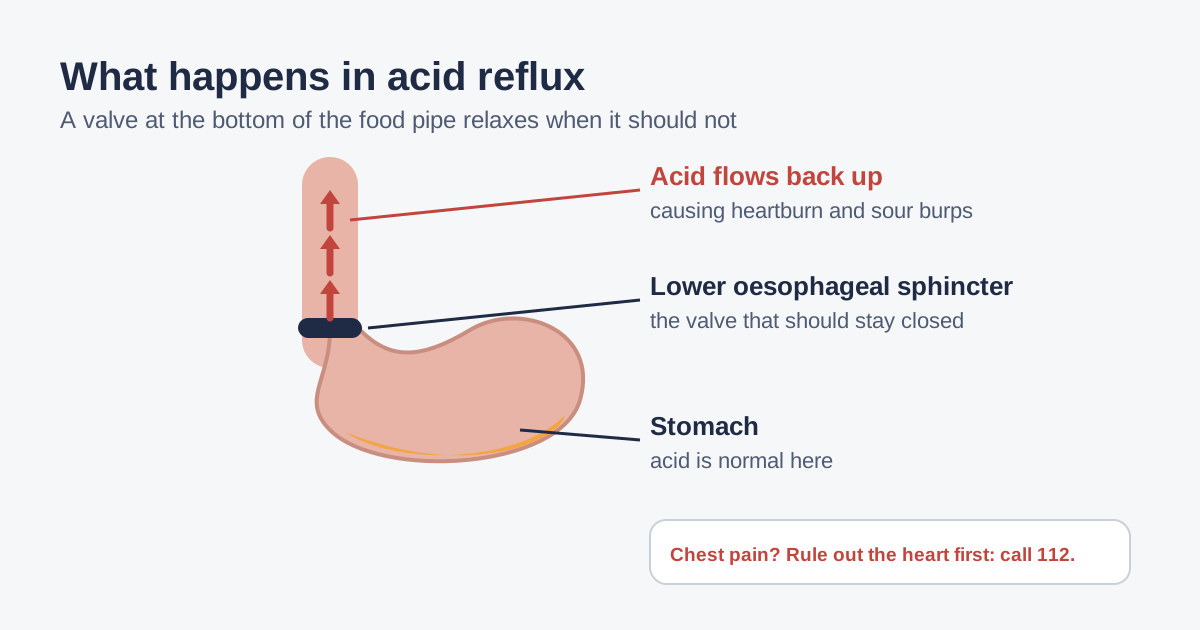
A ring of muscle at the bottom of the food pipe (oesophagus) normally stops stomach contents from coming back up. When it relaxes at the wrong time, acid and food can flow upward. This is reflux. Most people have a little reflux sometimes. When it happens often enough to cause troublesome symptoms or damage the food pipe, doctors call it gastro-oesophageal reflux disease (GERD).
In India, "acidity" is used for many stomach symptoms, including heartburn, bloating, indigestion and burping. Not all of these are GERD, which is one reason it helps to describe your symptoms carefully to your doctor.
Symptoms
- Heartburn: a burning feeling rising behind the breastbone, often after meals or when lying down.
- Regurgitation: sour or bitter fluid or food coming up into the throat or mouth.
- Less typical: chronic cough, hoarse voice, frequent throat clearing, or a feeling of something stuck in the throat. These have many causes, so reflux should not be assumed.
Common triggers
Triggers differ from person to person. The ACG guideline advises avoiding foods that trigger your symptoms rather than following a long list of banned foods. Common ones include:
- Large, late or very oily meals.
- Spicy or tomato-heavy gravies, citrus, chocolate and mint in some people.
- Tea, coffee and fizzy drinks in some people.
- Alcohol and tobacco, including gutka and smoking.
- Lying down or bending soon after eating; tight belts or waistbands.
- Some medicines, including painkillers like ibuprofen and diclofenac. Do not stop a prescribed medicine without asking your doctor.
A short symptom diary for two weeks, noting what and when you ate and when symptoms started, often shows your personal pattern.
Habits that help
The ACG guideline recommends these lifestyle steps:
| Habit | How to do it |
|---|---|
| Lose weight if you are overweight | Even modest weight loss reduces reflux, especially around the waist. |
| Leave 2–3 hours between eating and lying down | Shift dinner earlier or make it lighter; avoid late-night snacks. |
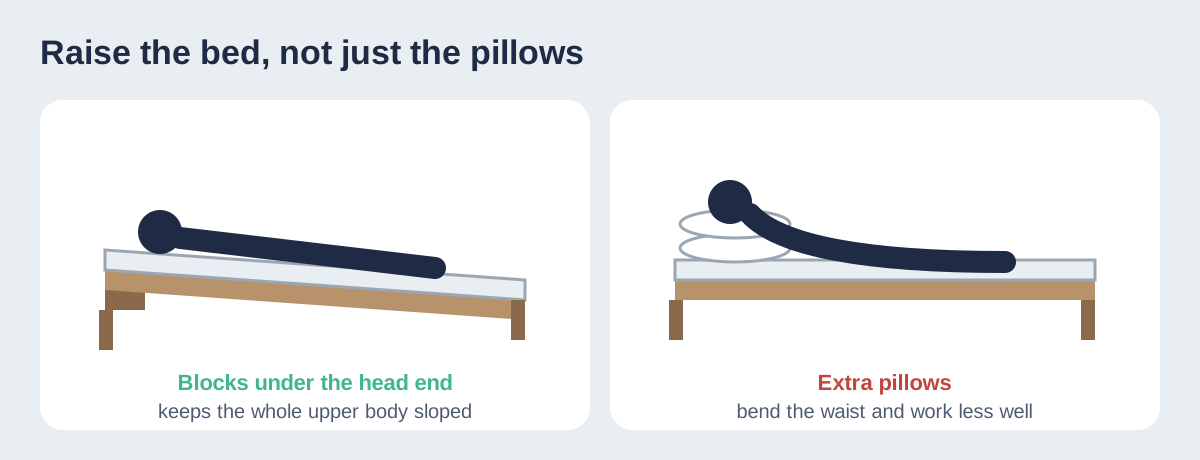
| Raise the head of your bed for night symptoms | Put blocks under the bed legs at the head end, or use a wedge. Extra pillows alone bend the body and work less well. |
| Stop tobacco and limit alcohol | Both weaken the valve at the bottom of the food pipe. |
| Avoid your own trigger foods | Use your diary rather than cutting out whole food groups. |
How doctors treat GERD
If you have typical heartburn or regurgitation and no warning signs, doctors often prescribe a course of acid-reducing medicine, usually a proton pump inhibitor (PPI), for about 8 weeks, alongside the habits above. Your doctor will decide the medicine and how to take it. Taking it at the right time in relation to meals matters, so ask exactly when to take yours.
If symptoms do not improve, keep coming back, or you have warning signs, your doctor may recommend an endoscopy (a camera test of the food pipe and stomach) or reflux monitoring. A small number of people with confirmed, persistent reflux are offered procedures or surgery.
Long-term antacid use
Many people in India buy antacid gels or acid-reducing tablets from the chemist and take them for months. Short-term relief is fine, but frequent or long-term use without a diagnosis can hide a problem that needs attention. If you need acidity medicine more than twice a week, or for more than a few weeks, see a doctor. Questions worth asking:
- Is this definitely reflux, or could it be something else?
- Do I need an endoscopy?
- How long should I take this medicine, and how do I stop it safely?
- Could any of my other medicines be causing my symptoms?
Warning signs: see a doctor promptly
- Difficulty or pain when swallowing, or food sticking.
- Weight loss you cannot explain.
- Repeated vomiting, or vomiting blood or material like coffee grounds.
- Black, tarry stools, or signs of anaemia such as tiredness and breathlessness.
- New symptoms starting after age 60, or symptoms that do not improve with treatment.
- Chest pain: call 112 first to rule out a heart attack.
Frequently asked questions
Is acidity the same as GERD?
Not always. People use the word acidity for many stomach symptoms. GERD specifically means frequent reflux causing heartburn, regurgitation or damage to the food pipe.
Does cold milk cure acidity?
It may soothe briefly, but milk can also trigger more acid later in some people. It is not a treatment for GERD.
Can I take antacids every day?
Not without seeing a doctor. Needing them more than twice a week, or for weeks at a time, is a reason to get checked.
Is spicy food bad for everyone with reflux?
No. Some people are sensitive and some are not. Use a symptom diary to find your own triggers.
Sources
- Katz PO, et al. ACG Clinical Guideline for the Diagnosis and Management of Gastroesophageal Reflux Disease. Am J Gastroenterol 2022;117(1):27–56.
This article is general information for adults in India and is not a diagnosis or a treatment plan. Always discuss results and any changes with your own doctor. Read our editorial policy.